
Plagues, shipwrecks and tragedies: Archives reveal incredible stories from Yorkshire's past

An archive brings to life the hidden stories that have played out in rich detail over seven centuries of Yorkshire’s past.
Some 16m records have been released online for the first time, as part of a project between the University of York and Ancestry UK.
And alongside the wills of famous figures from Charlotte Brontë to diarist Anne Lister, there are detailed records revealing shipwrecks, plagues, and a great number of personal tragedies.
This is a chronicle of the everyday - and sometimes bleak - lives of Yorkshire folk, say archivists, detailed in one of the largest releases of its kind.
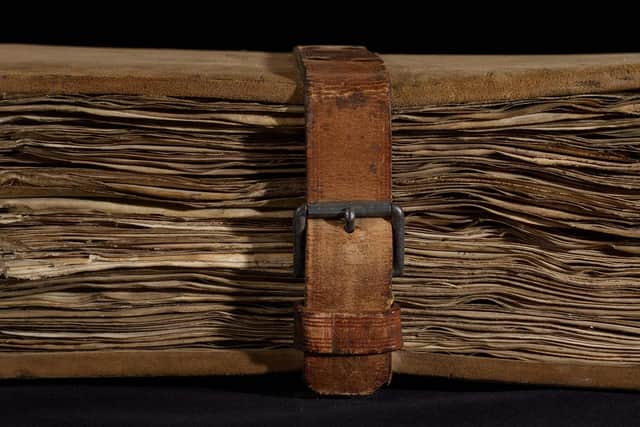

Gary Brannan, keeper of the archives at the university's Borthwick Institute for Archives, said it shines a light on a hidden history.
“These records are quite unique as they are incredibly well kept and cover a long time span in a community that is always growing and changing," he said.
"We currently have around 30,000 people from more than 140 countries accessing our catalogue each year.
"Because the vast majority cannot travel to York in person, this partnership makes these vital documents globally available.”
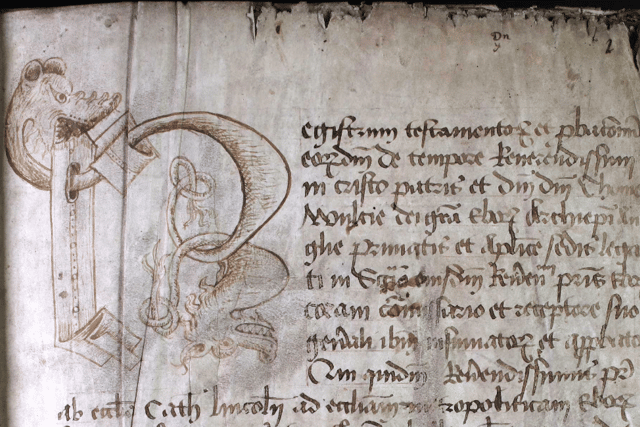
The vast project has digitised the Bishops’ Transcripts and the Wills of the Prerogative and Exchequer Courts of York, spanning a huge time period from 1389 to 1858.
They outline in simple registers the rich ribbons and ripples of human history as it played out through the past.
In one entry from 1736, the compiler for the parish of Bossall near the Howardian Hills noted there was “no love amongst us” after an entire year passed without a single wedding.
Other records tell bleaker stories of survival and loss, such as the final wishes of Ann Stackhouse which were shared with a midwife as she lay dying in childbirth in 1613. The registers for Hornsea in 1604 record a community ravaged by “plage tyme”, meanwhile.
And a 1756 entry from Kilnsea details the shipwreck of the Charles from London, noting the burial of Captain William Burwood and nine of his crew.
The archives also reveal the philanthropy of a gentleman by the name John de Gysburn, who in 1385 left money to support four “houses of lepers” in the York suburbs.
In a lighter note, they reveal the fastidious nature of a Matthew Chitty St Quintin, who struggled to decide - adding more than 20 amendments to his will in 1785.
Altogether, there are Parish Register Transcripts shared as part of the project, alongside digitised images of the originals.
Then Bishops’ Transcripts, created as copies for the Archbishop, filling gaps where original records were damaged or lost.
It is thought they could share more than 20,000 entries that do not exist anywhere else.
Mr Brannan said such rich records from history can be fascinating to uncover.
“People have a huge desire to trace their roots, and the discoveries they make can be intensely personal and profoundly moving," he added.
"Individuals living around the world are always rightly proud to discover they have roots in Yorkshire."
The records can be accessed at the university's Borthwick Institute for Archives, or with a subscription to Ancestry.co.uk.
Income generated by the partnership will be used to support the Borthwick’s activities, making more records accessible to the world.