
I'm a Labour MP - two-party politics is dead so we need a new voting system: Anna Dixon
The dust has finally settled after the local elections in Yorkshire, with councillors new and old taking their seats. There are differing views about why voters rejected the traditional parties, but clearly, some felt politics was letting them down and that national politicians were not on their side.
However, an undeniable fact from these results, even to the most sceptical, is that the era of two-party politics is dead, and our current political landscape no longer reflects how most people actually voted.
From Bradford and Leeds to Calderdale and Kirklees, the results exposed, to the greatest extent we have ever seen, the gulf between voter preferences and their actual political representation. I have personally been fighting for a more proportional electoral system for over 30 years, but now it is clear for all to see that the time of multi-party democracy has well and truly arrived, and the need for an electoral system that can cope with that new reality is more urgent than ever.
This year's elections generated more interest than usual, not least due to them being framed as a national vote. The locals have typically been a rather low-key event in the political calendar for most voters, yet this time around, we saw turnout up across the board. Despite this surge in voting, however, the final distribution of seats bore only a passing resemblance to the votes cast.

In authorities across Yorkshire, we saw parties sweeping to power with shockingly low vote shares. In Barnsley, for example, Reform UK took a colossal 42 of the 63 seats up for election - that’s 2/3rds of the whole council. On the surface, it appears to be a whopping mandate from the people of Barnsley. In reality, Reform won only 37 per cent of the votes. Labour won 30 per cent and received just 11 seats in return, and the Green Party, which secured 9 per cent, has no representation on the council whatsoever.
In the Bradford district, the results were even more out of sync with voters. Reform now leads the council as the largest party with 29 seats out of 87, yet they received only 23 per cent of the district's votes. The combined 42 per cent of the vote share won by Labour and the Greens, however, only secured 26 in total. Meaning, Bradford is now being led by a party 77 per cent of people voted against.
And that same story was repeated across our region. This isn’t a criticism of any party’s success. I was one of the first in the Labour Party to openly voice concerns about the proportionality of the 2024 general election results. It’s a criticism of a system that distorts the will of the people.
First Past the Post may have made sense when we only had two parties vying for the vast majority of seats, but today’s electorate is more diverse, more plural, and more willing to vote across traditional party lines. People have largely stopped tactical voting, not least because it is hard to work out who the race is between, and the vote has fragmented.
The case for electoral reform is about strengthening and safeguarding our democracy. I believe a proportional system would deliver fairer results and better politics. It would make every vote matter, ensuring that when Yorkshire speaks, Parliament will listen.
The 2026 local elections were the loudest wake-up call we could have received. If we want voters to have faith in and trust politics again, we need a system that can truly reflect their views. I call on all MPs in Parliament to show that we are ready to be much more radical in reforming our elections, both locally and nationally.
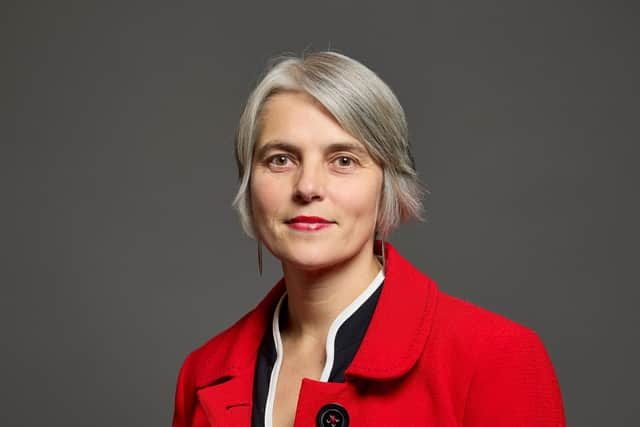
Anna Dixon is Labour MP for Shipley