
Why food inflation remains a worry for the Government

International events may have taken precedence over the past few days but the reality facing the majority of people in this country is the ongoing cost of living crisis.
That is clearly illustrated by data showing that shop price inflation edged up in December as food price rises continued to add pressure to household budgets.
The cornerstone of the majority of political decisions taken over the next 12 months needs to be tackling the cost of living.
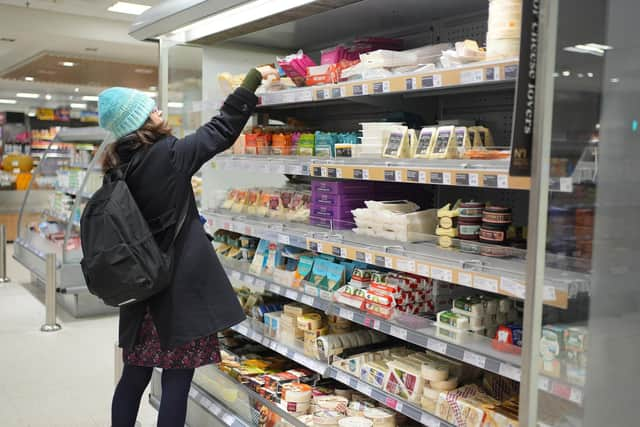
Food inflation increased to 3.3 per cent, up from November’s 3 per cent and far outstripping wider shop price inflation of 0.7 per cent, according to the British Retail Consortium (BRC) and NIQ data.

The Prime Minister has rightly recognised that “what matters more than anything is the cost of living, is actually being able to pay bills, making sure that ends meet at the end of the month”.
Falling energy prices and improved crop supply should help ease cost pressures. But as Helen Dickinson, chief executive of the BRC, warns “increased public policy costs and regulation will likely keep inflation sticky”.
While a lot of retailers are having a difficult time, it is important for large supermarkets to also play their part in bringing inflation down. The fact that some are recording huge profits while asking customers to pay more will not be lost on consumers.
When it comes to food prices, this is another reminder of the importance of food security.
If British agriculture continues to be harmed then that will only mean high costs for consumers at the checkout.