
What the 2024 Budget means for Yorkshire
There was more discourse and speculation before this week’s Budget than any other I can remember.

That ramped up the pressure on Rachel Reeves, who has almost single-handedly been tasked with getting the new government back on track.
In many ways she had an unenviable task, balancing Labour’s promise of not increasing taxes on working people with bringing about change through investment in public services.
And amongst the headline grabbing policies of increasing employer national insurance contributions and changing the borrowing rules, some Budget measures will have a big impact on Yorkshire.
Just this week, mayors have been complaining about the shabby service of Northern trains.
Ms Reeves committed to the Transpennine Route Upgrade in full, which will reduce the travel time between Leeds and Manchester to 33 minutes.
The small print in the Treasury documents said this would “lay the ground for Northern Powerhouse Rail”, the high-speed link from Liverpool to Hull which many experts think is key to improving connectivity, growth and productivity across the North.
The Chancellor guaranteed funding for Sheffield’s Supertram network and the West Yorkshire mass transit system.
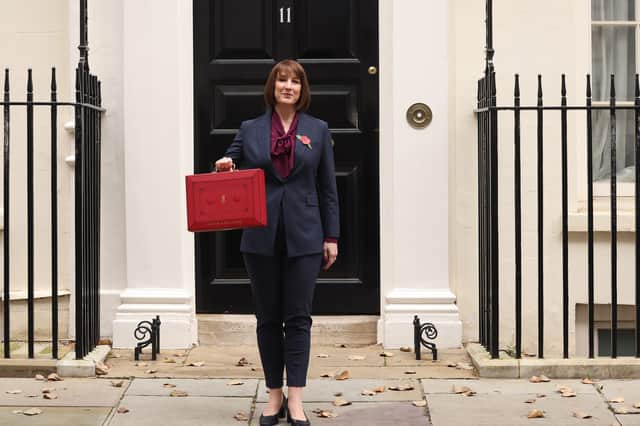

She also promised Tracy Brabin and Oliver Coppard single funding settlements, which will allow the mayors far greater flexibility over their budgets.
This sounds very boring, but will give our local leaders far greater control over what’s going on in their regions.
However, worryingly, according to the Institute for Fiscal Studies, both the Department for Transport and the Department for the Environment, Farming and Rural Affairs budgets are set to rise at a slower rate than almost every other government department.
These are two key areas of Whitehall for Yorkshire - and perhaps this cause the Chancellor to make the very unpopular decision to reduce inheritance tax relief for farmers.
One thing that’s worth saying is voters can’t have their cake and eat it - despite what they would like.
A recent poll from More In Common found that a majority of Britons think the government can provide much better public services without increasing taxes.
I hate to break it to you - but this is simply impossible.
There was so much discussion in the election on the state of the NHS, our school built with dangerous concrete and overcrowded prisons.
To tackle these things will cost money.
Earlier in the week, Sir Keir Starmer told critics to say what they would do differently.
If they borrow less and do not increase taxes, then public services will take the hit.
I question some of the choices that Labour has made and whether Ms Reeves has broken some manifesto promises.
But overall, the message from the electorate in July was that they wanted an end to broken Britain, and the investment in the Budget at least tries to change that.