
Huge potential in former industrial towns with Government support, research finds
England’s former industrial towns and cities in England could deliver £13bn in economic growth if the Government provides the necessary support, new research has found.


Analysis, commissioned by the Local Government Association, finds there is huge potential in the nation’s former industrial heartlands, including much of Yorkshire.
The LGA says that many of these cities and towns face challenges of slow job growth, low pay and inadequate infrastructure for the modern economy.
However, the analysis finds that some of the areas have outperformed expectations of growth, suggesting that the £13bn boost is the bare minimum.
Rotherham has seen the biggest growth in the country over the last 20 years, while Sheffield has been the city region with the biggest rise over the last decade.

The LGA says that other local authorities can emulate these Yorkshire success stories with the right support.
It is calling on the government to ensure councils are properly resourced, there is long-term funding to overcome the ingrained challenges and powers to boost the skills of local residents.
Sheffield City Council leader Coun Tom Hunt, chair of the LGA’s Inclusive Growth Committee, said: “England’s towns and cities have a proud industrial heritage and significant potential to be drivers of economic growth.
“Economic growth is the number one priority of the Government, so providing sufficient funding to councils – who can also break down barriers to inclusive growth by using their frontline services to improve people’s health, wellbeing and prosperity – is the smart way to drive up prosperity.
“Only councils have the detailed knowledge of their communities and business and are best placed to work with investors, communities, their combined authority partners, where they exist, to unlock economic potential and better jobs.”
Sir Keir Starmer and his Chancellor Rachel Reeves have pledged to bring growth to all parts of the country.
However, currently many of the North’s former industrial heartlands are where Labour is facing a huge challenge from Reform UK.
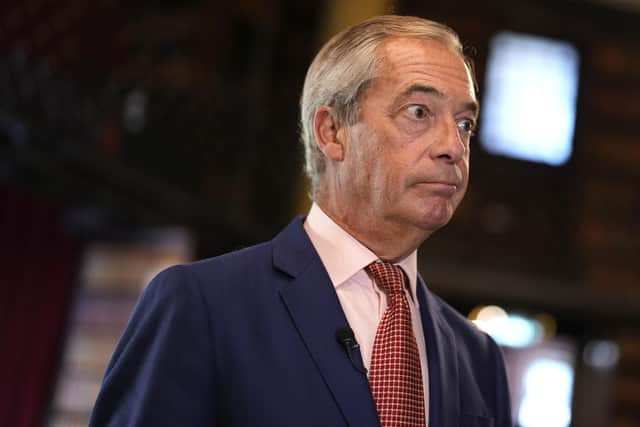
Nigel Farage’s party won a majority on Doncaster Council and the Hull and East Yorkshire mayoral election, and are tipped to do well in next year’s local elections.
The scale of the challenge facing Sir Keir has been underlined by a poll indicating Mr Farage could be on course for Downing Street, with Labour reduced to just 90 seats.
This would include Ms Reeves losing her Leeds West and Pudsey seat to Reform.
The slump in both Labour’s poll ratings and Sir Keir’s personal approval has fuelled leadership speculation, with Greater Manchester Mayor Andy Burnham suggesting he has been privately urged by MPs to challenge the Prime Minister.
Speaking at the start of Labour’s annual conference, Sir Keir told the BBC’s Laura Kuenssberg that he will be “judged at the next election” on whether he has improved living standards, the NHS and security.
“We have got the fight of our lives ahead of us, because we’ve got to take on Reform, we’ve got to beat them,” he said.
“So now is not the time for introspection or navel-gazing. There is a fight that we are all in together and every single member of our party and our movement, actually everyone who cares about what this country is, whether they vote Labour or otherwise, it’s the fight of our lives for who we are as a country. We need to be in that fight united, not navel-gazing.”