
Rachel Reeves admits national insurance increase was not 'on agenda before election'

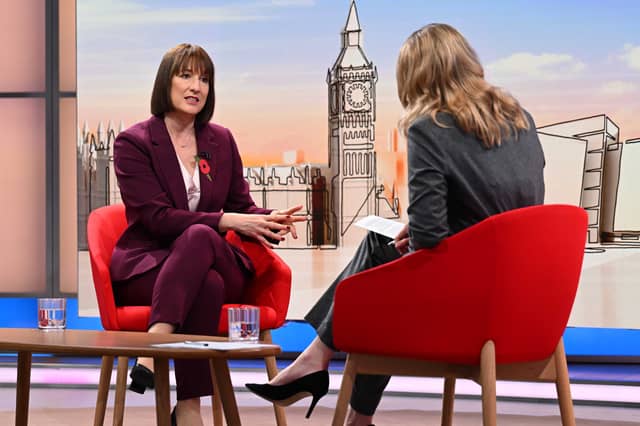

Rachel Reeves has denied she broke Labour’s manifesto commitment by hiking employer’s national insurance contributions, but admitted this was not “on the agenda before the election”.
The Chancellor has faced fire from businesses and farmers after unveiling Labour’s first Budget in 14 years last Wednesday.
Ms Reeves has changed the way debt is calculated to free up billions of pounds for the NHS, but also hiked capital gains tax and reduced the amount of inheritance tax relief for farmers.
In particular, her decision to increase employer’s national insurance contributions (NICs) has come under scrutiny.
Before the election the Leeds West and Pudsey MP said on multiple occasions: “We will not increase income tax or national insurance.”
When asked about this on the BBC’s Sunday With Laura Kuenssberg, Ms Reeves responded: “In our manifesto we were clear, we said we would not increase the key taxes that working people pay - their income tax, national insurance and VAT.
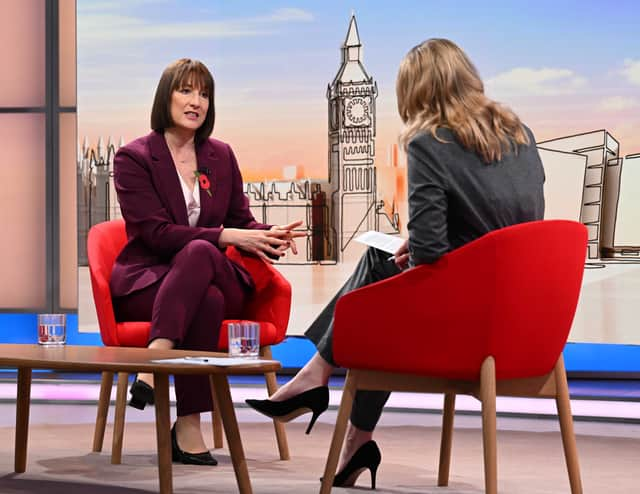
“Those are commitments we have stuck to.” The Chancellor continued: “I’m not immune to their criticism. “But we’ve got to raise the money, we’ve got to put our public finances on a firm footing.”
But when asked if she considered or discussed raising employer NICs before Labour’s election win, Ms Reeves replied: “No, this was not something that was on the agenda before the election.”
The Chancellor said the previous Tory government cut employee national insurance contributions on a “false premise” but she thought it would be “wrong” to put that back up.
She said: “It would have been felt immediately in the payslips of working people rather than asking businesses to contribute, and second it would have been a direct breach of our manifesto commitment. So we had to make difficult choices but leadership is about difficult choices.”
Ms Reeves also said she had been “wrong” during the election, because she did not “know everything” about the state of the public finances.
She said: “I arrived at the Treasury on July 5, just over a month after I said those words. I was taken into a room by the senior officials at the Treasury and they set out the huge black hole in the public finances, beyond which anybody knew about at the time of the general election.”
The size of that “black hole” between the previous government’s commitments and what it was actually spending has been disputed.
The Government has claimed it amounts to £22 billion, while the Conservatives have dismissed it as “fiction”.
But the Office for Budget Responsibility said the previous government had failed to disclose around £9 billion of additional spending pressures at the time of the last Budget in March, adding that the position may have changed between March and July.