
Rachel Reeves 'remains committed' to Northern Powerhouse Rail despite delay reports
Rachel Reeves remains committed to delivering Northern Powerhouse Rail despite reports of further delays, The Yorkshire Post understands.

The Chancellor initially revealed her intention to announce plans for the long-promised high-speed rail project at the Spending Review in June.
However, this has been repeatedly delayed, with ITV News now reporting it could be pushed back until 2026.
A Labour source said that there is “no doubt” of Ms Reeves’ commitment, before adding that the Treasury is “not holding it up”.
NPR was first promised by Boris Johnson and then effectively mothballed when Rishi Sunak cancelled the northern leg of HS2.
It was designed to improve connectivity of the North’s great cities across the Pennines, from Liverpool to Hull.
Yorkshire leaders have been pushing for it to include the electrification between Leeds and Sheffield and a new through station at Bradford.
While the Yorkshire sections of the project appear to have been largely agreed, it is understood that upgrades in the North West, which would see Liverpool and Manchester better connected with Manchester Airport, are still being discussed.
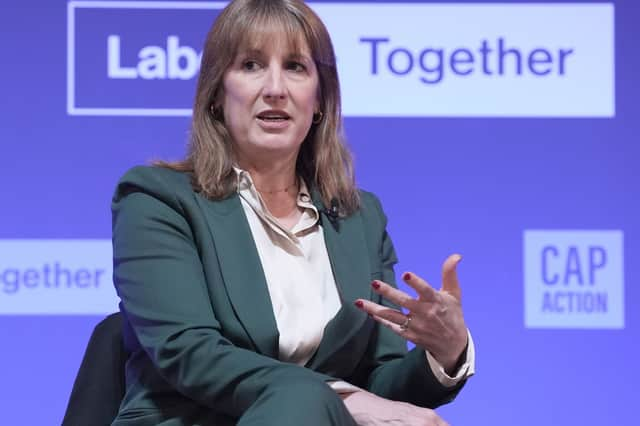

Sir Keir Starmer recently said that he remains “absolutely committed to Northern Powerhouse Rail”.
Responding to reports of further delays, Northern Powerhouse Partnership chief executive Henri Murison said: “The Treasury have made clear that Northern Powerhouse Rail will be a key part of their plan for a Northern Growth Corridor to drive up productivity in the long term national interest.”
“We will continue to engage constructively with ministers and the newly appointed government envoy.
“A sequenced and funded plan is essential, and the private sector has written openly to make the case.“
“We’ve put up for years with Boris [Johnson] and [Rishi] Sunak promising the earth and delivering nothing.
“It falls to this government to clear up the mess they have inherited after two years of lost progress since the cancelling of HS2 threw everything else up in the air.”