
Bus service cuts 10 times higher in deprived parts of England, IPPR North study finds
Cuts to bus services have been 10 times higher in England’s most deprived areas compared with affluent neighbourhoods, new research has found.

IPPR North has analysed annual bus miles driven per person from 2011 and 2023, and found it has fallen from 25 to 18 miles.
However, the loss in much of Yorkshire is even greater. In South and West Yorkshire, the average annual bus miles per person has dropped by more than a third, while in North Yorkshire that figure has halved over the 12-year period.
Senior research fellow Marcus North said this had been “environmentally, socially, and economically damaging”.
The thinktank found that this has cost the economy £2.6 billion, while people living in England’s most deprived areas have seen services cut at 10 times the rate of the least deprived areas.
Bus services are still being cut across the county. In West Yorkshire, dozens of Arriva routes had their services reduced from Sunday, particularly in the early morning and evening.
The under-fire firm will also pull out of routes in areas including Wakefield, Castleford, Dewsbury, Halifax and Leeds next month, due to a driver shortage of roughly 80 people.


IPPR’s head of transport policy, Stephen Frost, told The Yorkshire Post: “Buses are vital to Yorkshire’s communities and the decline in services over the last decade has had serious consequences for local people, the region’s economy and the environment.
“Cuts in bus services have been felt especially keenly by those on a low income who are more likely to rely on public transport to connect them to family and friends, jobs and schools. People are right to expect more from their bus network.
“Franchising is already delivering better services for people in Greater Manchester, but it was an uphill battle to get there.
“West Yorkshire is now on the path to greater public control of buses and the government’s Bus Services Bill should help deliver the improvements to local services that people will really notice.
“By devolving powers, supporting local leaders, investing in buses, and decarbonising the bus fleet faster, the government can help rebuild local bus networks in Yorkshire and around the country.”
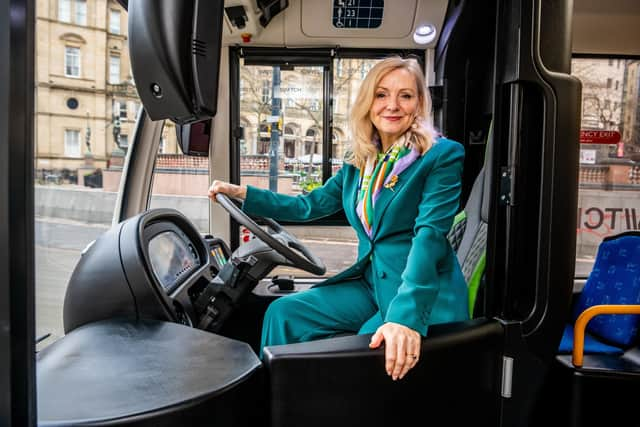
The Mayor has begun the process of bus franchising, and all routes will be in public control by 2028.
She explained: “Where bus companies are pulling away from routes, we can make sure, as we go to public control, that we have the funds to develop and maintain those routes.”
“Buses must be run for people not profit, the whole system is broken.
“As we move into franchising, we will be able to take oversight of those routes and make sure people are better served, because it’s an absolute disgrace.”
Earlier this year, it was announced that Arriva West Yorkshire had come last out of 55 bus operators in England in a survey of passengers by watchdog Transport Focus.
The company said that the timetable changes have been made “following a comprehensive review of the usage of every journey on the network, some of the least used journeys will no longer run, and some have been amended”.
Commenting on the IPPR North report, a DfT spokesperson said: “After decades of decline, we are fast-tracking the journey to better buses, an essential part of the Government’s mission to rebuild Britain.
“Our Bus Services Bill will help to overhaul how bus services operate, protecting vital services in rural or deprived areas, and delivering on our commitment to improve living standards across the country.
“This is alongside our investment of more than £1bn to help improve bus service reliability and frequency – better connecting communities across the country to job opportunities and public services.”