
Minimum bus service levels must be introduced to stop rural communities 'becoming isolated', MPs say
The Government must introduce a minimum level of bus connectivity to stop towns and villages becoming “increasingly isolated”, MPs have said.
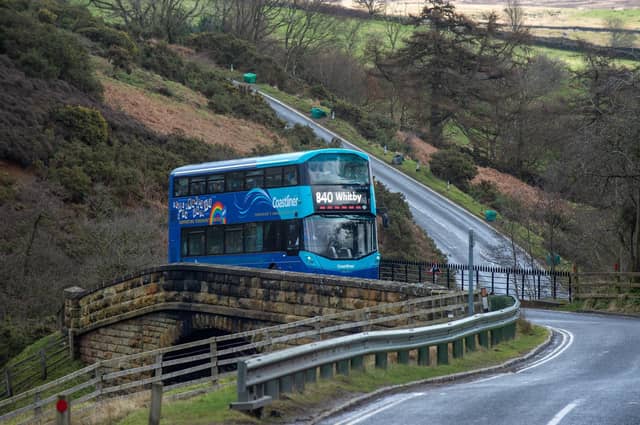


A report from the Transport Committee found that a “decade of decline” means socially necessary routes must now be safeguarded and grants weighted towards rural areas.
It also called for free travel for under-22s to stop inconsistent bus services constraining young people’s life chances.
This comes as the number of bus journeys taken outside of London has dropped by 22 per cent from 2011 to 2024, with the IPPR North think tank finding cuts were 10 times higher in deprived parts areas.
In West Yorkshire, dozens of Arriva routes had their services reduced or cancelled earlier this year, including a number of school services.
The Transport Committee said that amid a backdrop of scarce funding and revenue, bus firms have been incentivised to cut less commercially viable services, leaving some communities even more isolated.

Explaining the impact, she said: “I've got a woman who works for me, and if she doesn't get the 4.03pm bus from Ossett she can't go home until 8.30pm, which is ridiculous.”
The Committee urged the Government to ringfence a portion of funding for routes that are deemed “socially necessary”.
It also called for the Department for Transport to introduce rural weighting into its funding formula, to reflect higher passenger costs in these areas.

In its evidence for the report, countryside charity the CPRE, told MPs that more than half of England’s small towns are transport deserts.
Head of policy Paul Miner said: “Along with the committee, CPRE calls on the government to support rural bus services with a guaranteed service level and a rural weighting in its revised Bus Service Improvement Plan funding formula.
“This would mean rural communities get a fair proportion of funding in spite of the higher per-passenger costs and structural challenges associated with rural buses.”
Mayor of York and North Yorkshire David Skaith said: "People in our towns, cities and villages have been left isolated and abandoned by declining bus services.
“A decade of austerity has left many of our communities stranded. Buses are the backbone of connectivity in places like York and North Yorkshire, but for too long the needs of the public have been left out of public transport.
"Unpicking the 14 years of decline that has broken our transport system won't be quick and it won't be easy, but I am determined to turn the tide that has left people in our towns, cities and villages abandoned and disconnected."
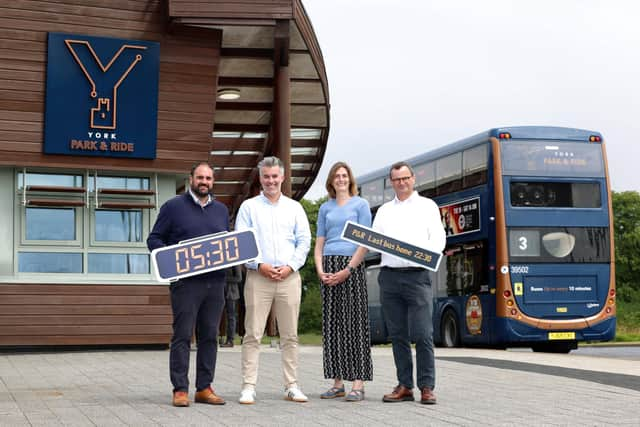
West Yorkshire, South Yorkshire and parts of York and North Yorkshire are set to benefit from bus franchising, where the mayors set the routes, fares and service levels.
However, the Committee said this should not be seen as a “silver bullet”, and warned “many hollowed-out local authorities currently lack the legal, commercial, and operational capacity to take on the risks and challenges of franchising.”
Buses remain the most common form of public transport across Yorkshire and the country, with polling from IPPR and More in Common finding people are more concerned about the poor availability of buses than potholes.
Responding to the report, a DfT spokesperson said: “After decades of decline, we’re providing a record £1bn in multi-year funding to improve the reliability and frequency of bus services across the country.
“Our landmark Bus Services Bill will protect routes and prevent services from being scrapped – bringing buses back into local control and will put passengers at the heart of services.
“We have also stepped in to prevent a fare hike for passengers by extending the £3 fare cap until March 2027.
“Better buses are central to the Government’s plan for change— connecting communities, strengthening the local economy, and boosting access to jobs.”