
Regulator David Kogan on new plan to share Premier League money and avoid Sheffield Wednesday-style cliff edges

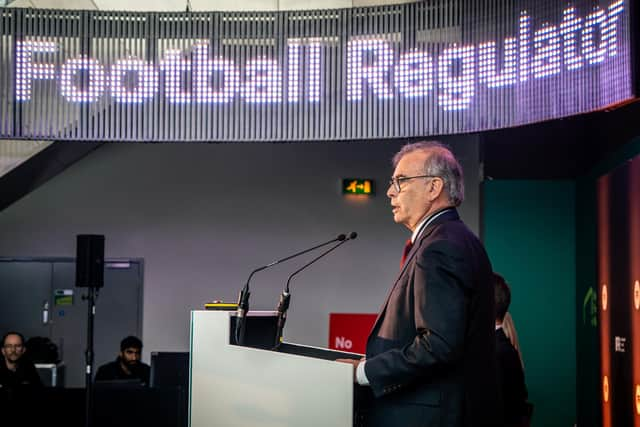
Football regulator David Kogan says the Premier League is ready to double the amount it gives to the Football League and reduce parachute payments to break the deadlock over funding.
As part of the arrangement there will be a new "liquidity fund" to avoid the situation which threatened the very existence of Sheffield Wednesday – if both sides can agree.
A better spread of football's income was a big reason why the last Conservative government proposed a regulator for English football, and Labour introduced it.
They felt it would be better for the Premier League and Football League to agree how best to distribute the £9bn the English game generates annually, but gave the regulator power to intervene if not.

The last agreement struck was a five-year one in 2019, and attempts to reach another have so far failed.
"The Premier League is now talking about more than doubling the amount it pays every year in solidarity payments," revealed Kogan to The Rest is Football podcast.
"It has put forward a large fund for redevelopment, which can be spent on anything clubs in the lower leagues want to spend on – either grounds or on youth development or a whole series of other issues.
"It has a liquidity fund for clubs that get into trouble and need money to pave their way to a brighter future under the next owner."
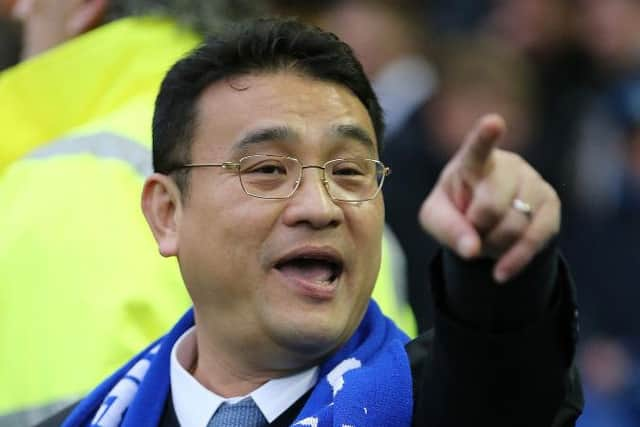
The lack of such a fund was nearly the end of 159-year-old Sheffield Wednesday, who went into administration last October.
"Sheffield Wednesday got very, very close when the administrator moved in to not surviving because it didn't have enough funds simply to keep going until a new owner came in," explained Kogan.
"(Dejphon) Chansiri brought into Sheffield Wednesday in 2015 and he put a lot of money in as owners do trying to win the golden ticket to get into the Premier League.
"He failed – not his fault, not his players fault they just were up against better teams who got promoted – and the moment they started to fail, and we see this a lot, the money started to dry up.
"Now because we are licencing every club from November we have the power to look at a club like Sheffield Wednesday every year, look at its finances, its business plans, where cash is going, so we've been a very early detector of trouble."
Despite the game's wealth, 94 per cent of the 116 clubs Kogan regulates are technically insolvent, and his report found 29 per cent could not survive more than 30 days if owner funding was withdrawn.
Parachute payments were introduced to avoid the financial crises Leeds United and Bradford City faced at the start of the century when relegated to the Championship carrying Premier League contracts. They have made it incredibly difficult for clubs like Sheffield United and Middlesbrough without them to compete for promotion.
"The amount of money paid in parachute payments will reduce and the amount going into the Championship will vastly increase," said Kogan. "But more than that, the top clubs in the Championship get most of the money.
"It makes the Championship a much more competitive league."
Watch or listen to The Rest Is Football wherever you get your podcasts.