
Bram Stoker’s Dracula: Short film explores haunting influences and origins of Dracula inspired by Whitby 130 years after the novel was written
Bram Stoker’s Dracula has been attracting visitors to Whitby since the novel was written 130 years ago - a new short film will be exploring the haunting influences and origins of the book.

From epidemics and childhood tales to the legends of the Carpathians, a journey into the fears that moulded the imagination of the Irish writer Bram Stoker.
A new short film will explore these haunting influences, offering a glimpse of a theatrical production planned for 2027.
‘VLAD’, a new short film created by Italian filmmaker Lorenzo Muscoso will mark the anniversary of Stoker’s birth.
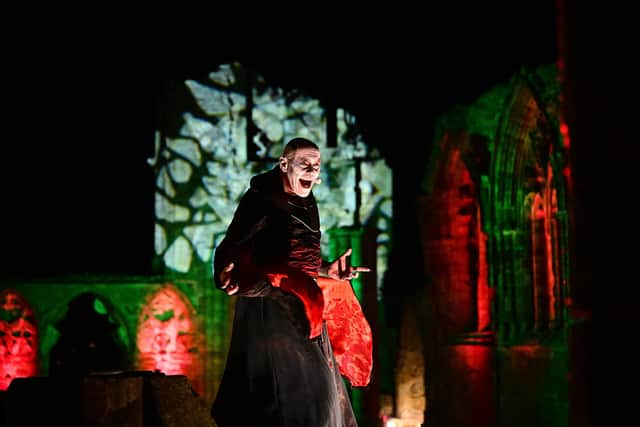

The film begins with echoes of the writer’s childhood, evoking the horrors of epidemics, burial and fears passed down through generations through dark, atmospheric and visionary imagery.
The narrative then moves through Stoker’s creative universe, exploring ancient documents, historical accounts and the haunting figure of Vlad the Impaler, before reaching the mysterious landscapes of the Carpathian Mountains.
There, beneath the shadow of a castle, the ordinary life of a village is gradually engulfed by the approaching darkness. The final rays of sunlight disappear behind the mountains, doors are closed, and the fear of night begins to take hold.
On November 8, 1847, Bram Stoker was born in Dublin, Ireland and would go on to create one of the most infamous figures in world literature: Dracula.
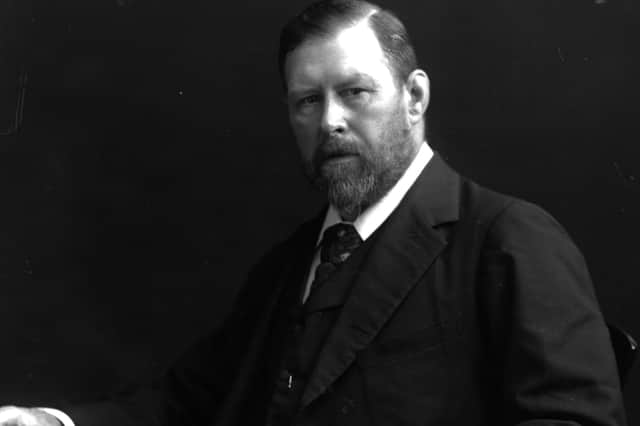
This year marks 179 years since his birth, Stoker’s name remains inseparably linked to a universe of darkness, superstition and ancestral fears, one that has transcended generations to become one of the most enduring myths of the collective imagination.
Dracula was published in 1897 and was more than a horror novel; it emerged from a complex combination of literary influences, popular beliefs and personal anxieties.
The origins of this literary world can also be traced to Bram’s childhood, marked by illness and the stories told by his mother, Charlotte, who shared memories and accounts of the devastating cholera epidemic that struck Sligo, Ireland, in 1832.
These were stories filled with death, terror and burial, from an era when the uncertain boundary between life and death gave rise to profound fears.
The dread of being mistakenly declared dead and buried alive was deeply embedded in the 19th century imagination and represents one of the haunting themes through which Stoker’s unsettling literary world can be interpreted.
These influences were later joined by the legends of Eastern Europe, folklore surrounding the undead, and historical research that introduced the writer to the name Dracula, associated with the Wallachian prince Vlad III, remembered by history as Vlad the Impaler.
These different elements ultimately converged in a literary masterpiece that transformed humanity’s fear of death into a figure destined for immortality.
Through its cinematic imagery, the film moves beyond the familiar figure of the vampire to explore the anxieties, superstitions, and historical and cultural influences that contributed to the creation of the Dracula myth.
The short film also serves as a preview of a major theatrical and stage production dedicated to Dracula, conceived and directed by Lorenzo Muscoso and scheduled for 2027, marking the 130th anniversary of the publication of Stoker’s novel.
Nearly two centuries after the birth of its creator, Dracula continues to represent far more than a literary character.
He embodies universal fears, the anguish of mortality and humanity’s desire to escape death itself - an enduring shadow that continues to haunt literature, cinema and theatre.