
Controlled burning the best method for moorland, claims 20-year study
Controlled burning is the best way to manage heather moorland according to a Yorkshire based scientist leading a 20 year study into management techniques.

The study by the Stockholm Institute at the University of York, now in its 12th year, has so far found that despite both burning and mowing releasing considerable amounts of carbon during or in the first years after management, it is actually counteracted by increased absorption later on.
Heather management also increases biodiversity and maintains higher water tables in the long term, compared to areas of unmanaged heather, research led by Associated Professor Andreas Heinemeyer has found.
While short term studies say controlled burning is negative, they are misleading, say the university experts.

Dr Heinemeyer said: “There are so many false claims and it is overly simple to say everything will be good with re-wetting, sphagnum moss will grow and be fire resilient. This is nonsense. It depends on site conditions and how wet a site is. Every site is different.
“I am a scientist, I look at the evidence, tell people what the situation is and these are options based on the evidence.
“Then emotions come into play. Society is split on so many issues and that doesn’t help. We need to talk across borders, get rid of overly simple claims and really agree on what we want and how we get there. I hope that will happen now.”
Heather moorlands, declining across the UK, are important habitats for wildlife and biodiversity but the planting of trees alongside them reduces bird species and populations as ground nesting birds disappear due to birds of prey, added Dr Heinemeyer. He said it also needed to be understood how flammable heather is.
Dr Heinemeyer added: “Heather moorlands are really prone to fires. Whatever you do they burn really quickly.
“That is why most of the species adapt or benefit from fire. Heather germinates much better off smoke and high temperatures. Sphagnum Moss also germinates much better having been exposed to fire and smoke.
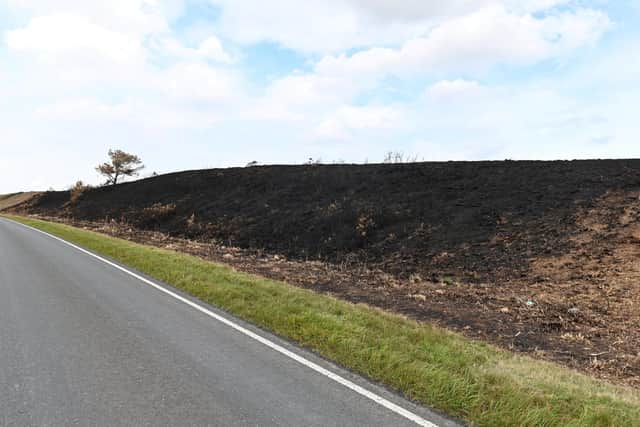
“But, it depends what the fire is. If it is the middle of summer it can be as devastating as we have seen, but the big difference is controlled fire in winter is completely different.”
Moves to ban controlled burning are also influenced by air quality concerns, but Dr Heinemeyer says while controlled burning will affect air quality, its effects can be regulated, unlike smoke from the North York Moors fires reported in places more than 30 miles away.
Dr Heinemeyer said: “Smoke pollution from controlled fires - of course there is an issue - but you need to consider it in proportion to what we have just had.
“If you don’t manage these systems you get high risk scenarios of re-ignition and the air quality is really bad for a long time and you lose carbon, vegetation and biodiversity has been burned to a crisp.
“You can’t get rid of air pollution, but if you regulate controlled burning with proper training, you can mitigate these issues. Defra should think about that rather than banning management.”
It will take hundreds of years for just 10cms of lost peat to regrow and concerns have also been raised about invasive purple moor grass starting to regrow on the charred landscape.