
Exclusive:Yorkshire private schools 'disproportionately hit' by VAT on fees, teachers say
At the start of this month, parents and children from across Yorkshire were left shocked as three historic independent schools announced they are closing their doors for the final time this year.
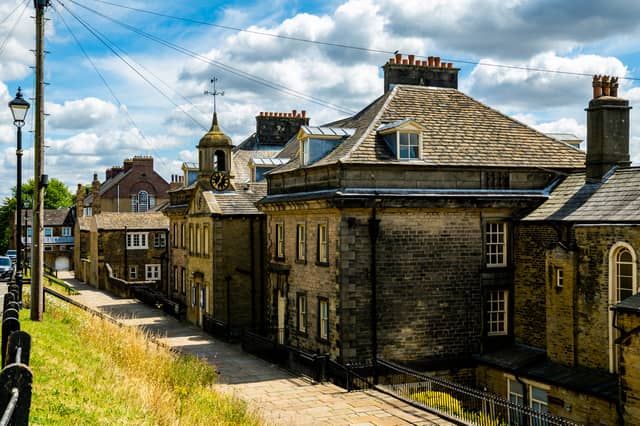


Combined they have been open for more than 500 years, but now Fulneck School, in Pudsey, and Queen Margaret's School For Girls, in York, are in the hands of administrators, while Moorlands School, in Leeds, will shut for good in December.
The trio are some of the most historic independent schools in the county, with Fulneck, which sits in Chancellor Rachel Reeves’ constituency, having been open since 1753.
One pupil had only started at the school in the week the closure was announced, leaving their parents distressed.
Each institution published a heartfelt statement, citing the “increasingly difficult economic conditions that are impacting many independent schools”.
While Moorlands and Queen Margaret’s specifically blamed Labour’s tax raid on private school fees, among a number of factors.
From January, a third of the way through the academic year, the Government started charging VAT on independent school fees, removing a historic exemption.
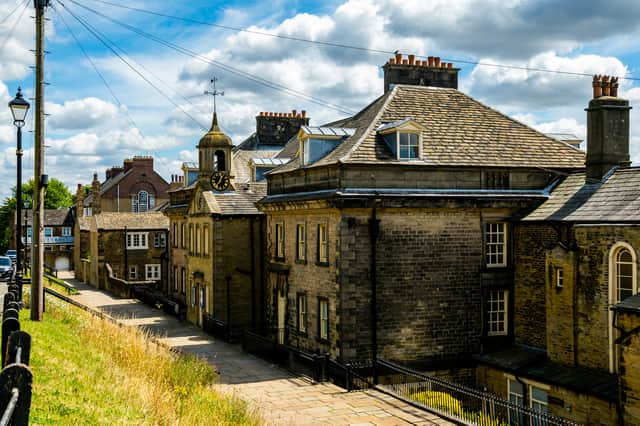
Ms Reeves said this change and scrapping business rates relief would “provide the highest quality of support and teaching that” state school pupils deserve.
Writing in The Yorkshire Post, the Chancellor said that removing the tax break will mean “more money for our teachers, more money for our classrooms and more money to invest in our children”.
She said this money had helped recruit 2,400 more teachers, fund free breakfast clubs in every primary school and helped the Government cap the number of branded school uniform items.
“I know it is not a choice everyone will agree with,” she added, “but I believe it to be the right choice, the fair choice and the best choice for our children’s future.”
However, the Conservatives said this was a tax on aspiration and raised concerns that it could push pupils out of private schools and into the underfunded state sector.
According to the Independent Schools Council’s (ISC) annual census there has been a 2.9 per cent drop in pupil numbers across Yorkshire and the Humber, and that’s before the latest raft of closures.
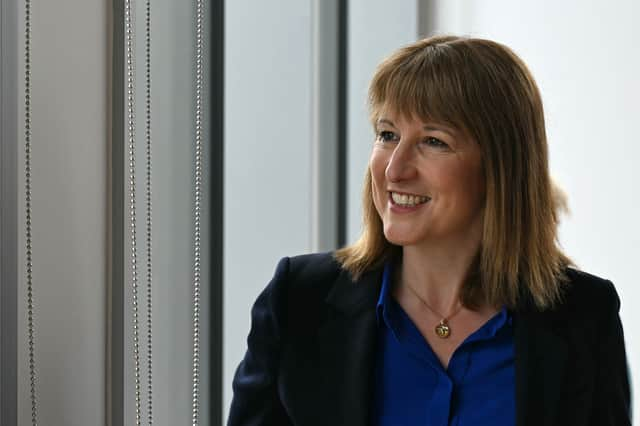
Anna Coulson, headteacher at The Froebelian School, an independent prep school in Horsforth, told The Yorkshire Post: “We are going to see more closures unfortunately, the schools near us have been very hard hit.”
Ms Coulson, who has been a head for almost two decades, primarily in the state sector, said she had “distressed” parents coming to her from Moorlands and Fulneck to see if they could transfer their children over.
While her own parents are also struggling to make ends meet: “I had the most heartbroken mum and dad and they had an only child and it just priced them out, it was so sad.”
Ms Coulson was privately educated and said “it impacted me hugely”.
“I was a girl that couldn’t hold my head up in a room - I was so shy,” she explained.
“My parents were both working parents who sacrificed massively for their little girl to build confidence, and they were so right and I’m so grateful.”
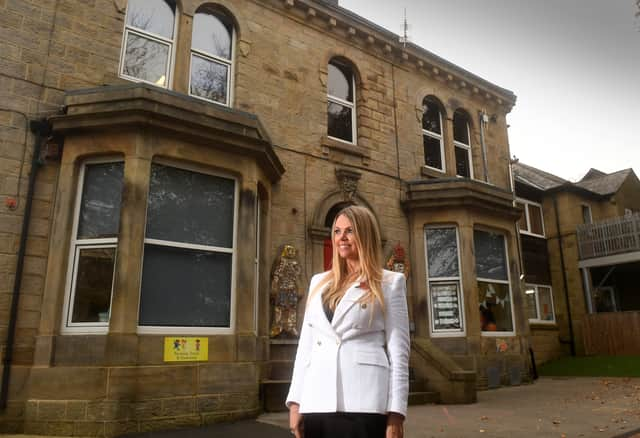
Ms Coulson said she finds it very frustrating “when we’re compared to Eton”.
Yorkshire is littered with smaller independent schools that do not have the financial muscle of schools like Harrow or Marlborough.
“We don’t see big flashy cars dropping off at our school, they are working people who have chosen education,”
“We have parents who don’t go on holidays to afford their fees.
“Some of the southern schools are feeling the impact, I would say not as much as the northern schools from the research that I’ve done.
“I don’t know the circumstances and I would be wrong to presume it was VAT.
“There’s normally lots of factors but I would see that as the big factor.”
The ISC’s pupil numbers data appears to show the rate of closures is higher in Yorkshire and the North than London and the South.
Dr Spencer Pitfield, who has been a teacher in the state and private sector in Sheffield and across the country for more than two decades, said Yorkshire was going to be “disproportionately hit”.

“We do not have numbers and the financial muscle of London and the South East,” he explained.
“What you see at the moment is schools are not suffering in London and the South East as they are in the rest of the country.
“For the families and children where those schools are closing, it’s such a desperate situation.
“My experience has been that there are lots of hard-working people who prioritise education, and often give up holidays and all sorts of things.
“These are not super wealthy individuals and as a result those schools will have to close.”
Julie Robinson, CEO of the ISC, explained: “Every school is different, and the extent to which they have been affected by the tax policy will depend on their own set of circumstances.
“Schools are navigating a triple whammy of tax rises: the imposition of VAT on fees, the loss of business rates relief, and increases to employer National Insurance contributions.
“Across the sector, the impact of these financial pressures is already emerging; 13,000 pupils left UK independent schools in the year to January – more than four times the government’s estimate – and over 70 schools have closed or are facing closure.”
Dr Pitfield described the policy as “unbelievably short sighted”.
“You’ve got a whole group of people who can’t afford the new fees as they come through, and as a result of that they are taking their children out of private education,” he explained.
“That means that you’ve got a double whammy - you’re not only losing schools’ places that were offered by the independent sector, you’re now trying to get these youngsters into a state system which is rammed full and often doesn’t have the capacity to take one let alone hundreds of pupils.
“This is really a disastrous policy in my opinion - I don’t say that with any joy, because the reality is I want the Government to be successful.”