
Why the future when it comes to oil prices and inflation is brighter than it seems - Alan Lazenby
As an Independent Financial Adviser, I spend much of my time helping clients understand how world events affect their businesses and household finances. Right now, the picture looks tough. Brent crude has risen above $100 a barrel, recently trading at around $107, as geopolitical tensions have grown.
Higher oil prices push up the cost of transport, and those extra costs are passed on to all of us through higher prices in the shops.
The UK is especially exposed. We have become too reliant on global supply chains instead of building stronger local ones. That leaves us more vulnerable to inflation than many other countries. We have also made energy more expensive through heavy costs linked to alternative energy policies. If our farms were able to produce more food, and if North Sea oil and gas were used more for domestic needs, we would be far less exposed.
We have already seen the damage high energy costs can do. British Steel in Scunthorpe came close to closure before government support stepped in, putting thousands of jobs at risk. Unless we change direction, more heavy industry is likely to move overseas.
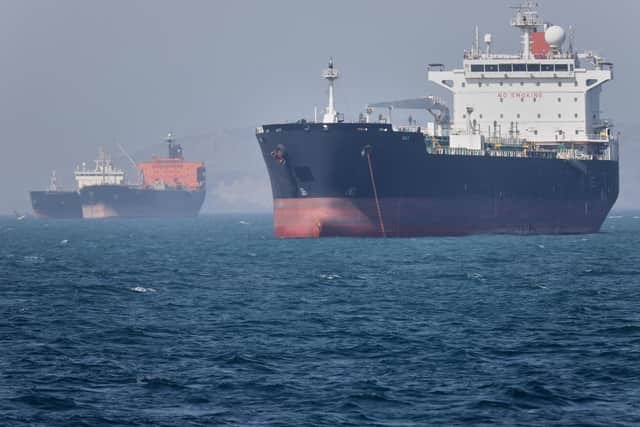

The conflict involving Iran has added to the problem by threatening oil flows through the Strait of Hormuz. One major consequence has been the UAE’s decision to leave OPEC. Previously operating under a quota of around 3.5 million barrels a day, the UAE is now free to strike new deals, including with Japan, and to run its full capacity through a pipeline that bypasses the Strait entirely.
Although the US has eased some restrictions on Russian oil, prices remain stubbornly high and inflation worries linger. It is tempting to feel downbeat, yet there are also reasons to be optimistic. The United States is now a major energy exporter, with record oil production of around 13.5 to 14 million barrels a day. More supply from the US alone will help ease pressure on global markets.
There is also the possibility of extra oil returning from elsewhere if tensions ease. Iranian production could rise, Venezuela could increase output, and more Russian barrels could return if the war in Ukraine moves towards a settlement. Together, that could add 5 to 8 million barrels a day to world supply. In oil markets, that is a major shift.
If supply rises by that amount, prices could fall sharply. Brent crude, now near $107, could drop well below $60 a barrel, and perhaps even towards $50. That would weaken OPEC’s grip on prices and bring a long period of cheaper energy.
Closer to home, the North Sea still has real potential. UK production is currently around 600,000 to 740,000 barrels a day and is declining, but with the right policies it could be boosted. Even an extra 200,000 to 300,000 barrels a day would reduce our dependence on imports and make us less vulnerable to global shocks. It could also raise billions in tax revenue and help lower bills for households.
Energy matters because it feeds into almost everything: fuel, food transport, manufacturing and heating. If oil prices fall significantly, the effect would be felt right across the economy, including in supermarket prices.
European governments are beginning to recognise what real energy security means. France is looking again at nuclear power, and pressure is growing here for North Sea oil and gas to serve domestic needs first. Backing British farming would add another layer of protection.
Today’s pressures are real, and families and businesses are feeling them. But the changes now under way in global energy markets, from rising US supply to the potential revival of the North Sea, point to a brighter future than many assume. Those who plan ahead will be best placed to benefit when the tide turns.
Alan Lazenby is managing director of Lazenby’s Financial Services.