
Politics could look very different by end of next week - The Yorkshire Post says

In recent times the UK has grown very used to, and understandably weary of, election campaigns. "You're joking - not another one,” is the now famous vox pop reaction of Brenda from Bristol after Theresa May called a snap general election in 2017.
The locals are not such sudden affairs, of course, but much has changed in those nine years and next week’s ballots could nonetheless represent a seismic shift, as a wide selection of parties vye realistically for success at council level.
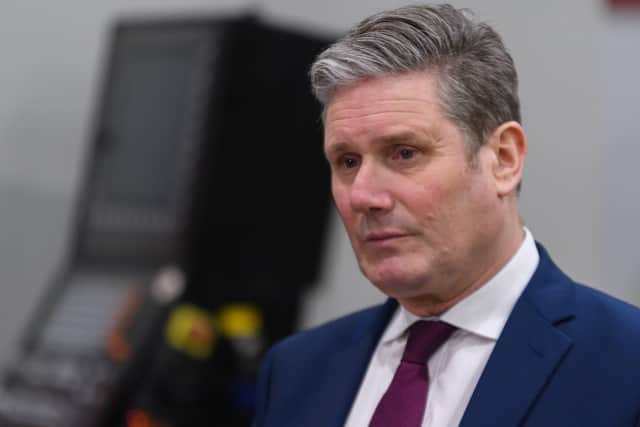
The two-party system has never held sway quite so rigidly in local authorities as it has in Parliament, but it would be hard not to see the coming events as a bellwether. As suggested in today's special report, it could be local ballots which have national consequences if the results are too wounding for Prime Minister Sir Keir Starmer, who amid plummeting public faith – exacerbated by the disastrous appointment of Lord Peter Mandelson as US ambassador, which is so easily feeding his critics – could face the prospect of leaving Downing Street not yet two years after a comfortable general election victory.
In Yorkshire, Sir Keir will certainly feel the force of the message voters send, as Labour currently controls seven of the eight councils up for election, and the transformation could be huge. Boundary changes mean that a bumper 422 council seats will be contested in the west, south and east of the region - with all councillors up for election in Bradford, Calderdale, Wakefield and Barnsley.

Labour could lose four of five local authorities in a majority or minority administration in West Yorkshire, only retaining Leeds, as pressure from left and right through the Green Party and Reform, in particular, causes pain for the old guard. Yorkshire's political architecture might look very different by next Friday – and Sir Keir must see that such a scenario would signal change is afoot Westminster.