
Andy Burnham announces plans to cut bus fare cap to £2 in 2027 - although details remain murky
The £2 cap will be in place from January and will last throughout 2027, undoing the increase to £3 put in place by Sir Keir and his chancellor Rachel Reeves in 2024.

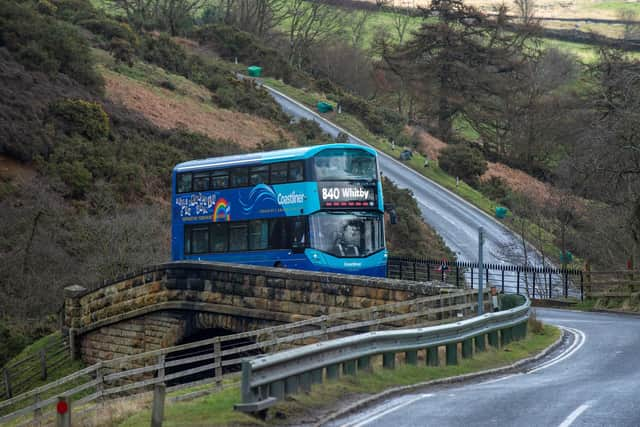
Britain’s most scenic bus route - the 840 from Leeds to Whitby - will once again cost just £2 from 2027, as Andy Burnham announced he was slashing the bus fare cap.
The new Prime Minister said “good affordable transport links are an essential” as he announced he was returning the cap to 2024 levels.
Most fares across England are currently set at £3 until the end of March 2027 although some areas – including West Yorkshire – have lower top rates for single tickets.
The £2 cap will be in place from January and will last throughout 2027, undoing the increase to £3 put in place by Sir Keir and his chancellor Rachel Reeves in 2024.
This will benefit rural and coastal routes, such as the 840 from Leeds to Whitby, which has been named Britain’s most scenic bus route.
The biggest saving per journey in England is the £13 between Leeds and Scarborough.
A previous £2 cap had been in place between January 2023 and December 2024 under the Conservatives but the incoming Labour administration argued it was not affordable.

Reinstating the £2 maximum fare will partly be funded by switching grants for international climate projects to repayable loans instead.
Mr Burnham said: “No-one should be priced out of those and left behind.
“But for too long, people have said that cheaper transport isn’t an option. I don’t accept that. I’ve done it before and I will do it again now: a £2 cap on bus fares for millions across the country.
“Lower fares will help people get to where they need to – giving them breathing space to help with the cost of living.”
The measure is backed by £454m of funding, including money to allow devolved governments to take similar action.
Some £400m of that funding will come from shifting investment in international climate finance to loans, with £54m from savings in the Department for Energy Security and Net Zero budget.
The total cost of the scheme is expected to be more than £500m, with the rest coming from Department for Transport funding already allocated to buses.
It is currently unclear whether the cap will apply to areas like West Yorkshire, that set their own fares, with the DfT saying that further details about eligible routes and participating operators will be shared soon.
However, it is hoped that the cap will be on top of bus funding going to mayors, so they can focus on franchising and protecting vulnerable routes.
Both Tracy Brabin in West Yorkshire and Oliver Coppard in South Yorkshire are currently in the process of taking buses back into public control, while there is set to be a rural pilot in York and North Yorkshire under David Skaith.

Ms Brabin said it was “brilliant news for bus passengers”.
“Here in West Yorkshire, we've been keeping fares low,” she added.
“Driving down fares further to £2 from 2027 will help our communities feel better-connected and put money back in people's pockets.”
Mr Coppard said: “Bringing the bus fare cap back down to £2 will help people with the cost of living, make it easier to access work, education and opportunities, and support local businesses.
“In South Yorkshire, we’ve already been getting on with the job. We’ve made U18 travel free in Barnsley, and kept child fares at £1 across buses and trams everywhere else to help families keep more money in their pockets. And we’ve cut the cost of adult long-distance tram travel and frozen all other Supertram fares until the end of 2026.
“From next year, with buses coming back under public control as well as trams, we're putting people back at the heart of the network.”
Chief executive of the Northern Powerhouse Partnership Henri Murison said: “The original £2 bus cap was a national policy inspired by local innovations, notably Tracy Brabin’s Mayor’s Fares here in West Yorkshire which predated it.
“One of the great benefits of devolution is taking good ideas pioneered locally and applying them to the whole of Yorkshire or the country.
“The bonus locally is that national funding will come alongside any local fare cap funding already committed to release a local revenue dividend for mayors’ wider transport priorities.”
Chancellor John Healey said “millions of people” would benefit from fares being slashed by a third and insisted the measure could be paid for.
“This action to ease the cost of living is funded by savings made elsewhere, so there’s no burden to British taxpayers, just pounds going back into their pockets,” he said.
Shadow Transport Secretary Richard Holden questioned how the Government would pay for its promises.
“Conservatives in government introduced the £2 bus fare cap, expanded it, and pledged to keep it,” he said.
“Labour increased this by 50 per cent to £3 and now expect praise for returning it back down to £2 in line with the Conservative manifesto.
“The real question is how Labour will pay for these policies. Labour MPs will not take the hard choices like cutting the surging benefits bill. That is why borrowing or taxes will have to rise to pay for their pledges.”