
What does the Bank of England's interest rate cut mean for my mortgage?

Rachel Reeves has hailed “good news” for homeowners and businesses after interest rates were cut to their lowest level since March 2023.
The Bank of England chose to reduce interest rates to 4 per cent from 4.25 per cent, pointing towards a recent fall in wage inflation and reduced uncertainty over the impact of US tariffs.
The cut came after the Bank’s nine-person rate-setting committee was forced to take a second vote for the first time in its history.
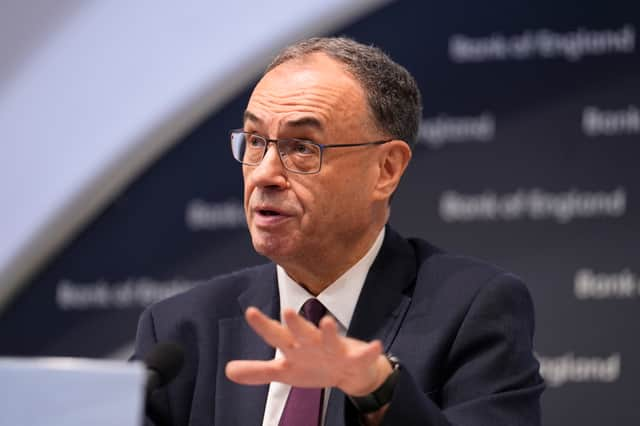
Governor Andrew Bailey said: “We’ve cut interest rates today, but it was a finely balanced decision.
“Interest rates are still on a downward path, but any future rate cuts will need to be made gradually and carefully.”

What does the interest rate cut mean for me?
The average homeowner on a tracker mortgage will see nearly £29 shaved off their monthly payments, following the quarter point cut in the Bank of England base rate, according to industry figures.
Banking and finance industry body UK Finance calculated that the reduction in the base rate will mean the typical mortgage holder on a deal that directly tracks the base rate will pay £28.97 per month less, based on the average balance outstanding. Over a year, this adds up to a reduction of nearly £350 (£347.64).
Those on a standard variable rate (SVR) deal could see their monthly mortgage payments reduce by £13.87 on average, adding up to an annual saving of £166.44 – provided the lender passes on the base rate cut in full. Borrowers often end up on an SVR when their initial deal ends and the rate is set by individual lenders but often follows movements in the base rate.
Homeowners on fixed-rate mortgages will see no immediate change, although thousands are due to remortgage in the months ahead. Around 900,000 fixed-rate mortgage deals are due to expire in the second half of 2025, according to UK Finance’s figures, with 1.6 million fixed deals having ended or being due to end across the whole of the year.
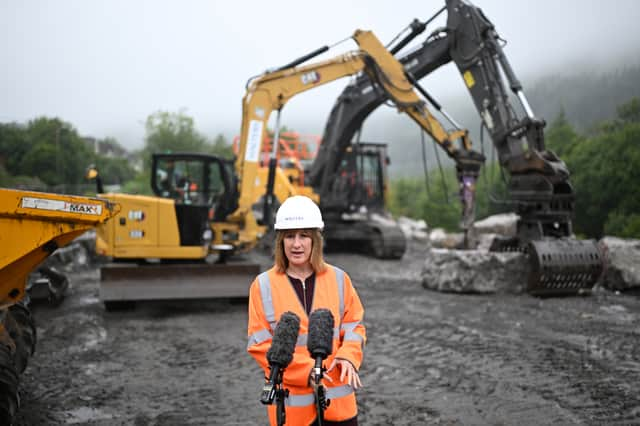
Speaking from a visit to South Wales, the Chancellor said: “Interest rates have now come down five times since Labour came into office, in part because of the stability that we’ve managed to return to the economy after the chopping and changing, the mini-budget under the Conservatives and Liz Truss.
“What that means, that fifth cut in interest rates, is that if you’re taking out a mortgage for £215,000, you’re going to be paying on a variable rate around £140 less a month than when we came to office just over a year ago.
“So, this is good news for people wanting to get on the housing ladder, people remortgaging and also businesses borrowing to grow.”
What does it mean for growth?
However, the Bank’s latest update did have a sting in the tail for the Chancellor.
It warned that UK businesses said increased national insurance contribution payments and uncertainty caused by the tax rise have “weighed on growth”.
Nevertheless, the Bank raised its economic growth forecast for this year, predicting that GDP (gross domestic product) will grow by 1.25 per cent in 2025, up from its previous estimate of 1 per cent.
What has the Bank of England said about inflation?
Meanwhile, inflation is expected to accelerate in the coming months, putting more pressure on household budgets.
Consumer price index (CPI) inflation is now on track to peak at 4 per cent in September, surpassing previous guidance that it would peak at 3.5 per cent.
The increased cost of living is largely being driven by higher energy and food prices, according to the Bank.
Food prices have jumped in recent months, with the cost of beef, chocolate and coffee all accelerating.
The inflation reading for September could also be influential as it is typically used to decide how much benefits increase the following year and is also one aspect of the pension triple lock.