
Yorkshire councils set to be 'big winners' in new local government finance settlement, IFS says
Councils in Yorkshire and the Humber are set to be some of the biggest winners in the Government’s shake up of local government funding, the Institute for Fiscal Studies has estimated.



Deputy Prime Minister Angela Rayner recently announced plans which would see local authorities in deprived areas receive a greater share of funding as part of changes to allocation rules.
Ms Rayner, who is also the Local Government Secretary, said the overhaul would also account for the extra costs of “remoteness” to rural local authorities, such as “travel time” for services like bin collection, transport and homecare visits.
The Government is currently consulting on these changes, however the IFS, one of the most highly-regarded economic think tanks, has assessed the proposals and found Yorkshire is set to be one of the big winners.
The region is set to get one of the biggest real-terms funding increases, after the East Midlands, of 12 per cent over the next three years, according to the think tank.

Bradford Council - which was recently forced to hike its council tax by 9.99 per cent to cope with mounting debts - would see an increase in funding of more than 10 per cent.
At the same time, inner London boroughs are set to be the biggest losers from the reforms, the IFS claimed, with places like Kensington and Chelsea and Westminster likely to see their overall funding cut by a ninth.
People in the wider South East were set to see the smallest real-terms increases, it found.
The IFS also said that concerns that rural areas were likely to be hard hit from the reforms were wide of the market, with the “remoteness adjustment” helping areas like North Yorkshire.
It comes after the Government ended the rural services delivery grant, which led to council leader Coun Carl Les contemplating taking legal action.
Following this, he met with Local Government Minister Jim McMahon to put across the extra costs faced by rural local authorities on services like social care and home to school transport.
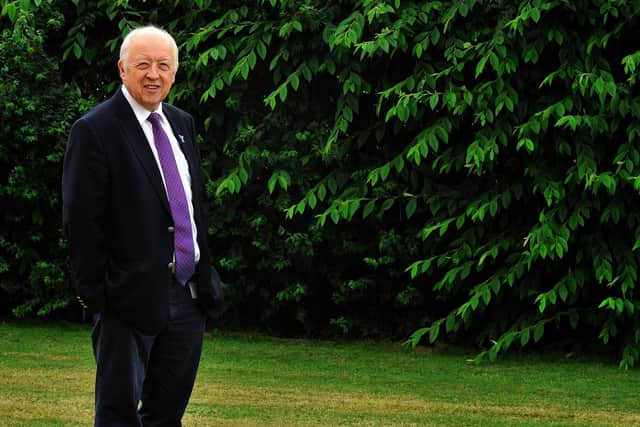
Former prime minister Rishi Sunak, the MP for Richmond and Northallerton, also wrote a letter to Mr McMahon on behalf of North Yorkshire MPs on some of the “anomalies” in reforms.
Now, the IFS have said that, by including the increased costs of remote areas, the changes in funding of the 10 per cent most rural areas are set to be in line with the national average.
It added: “Without this adjustment, it is likely the most rural areas would fare substantially less well from the reforms.”
Coun Les told The Yorkshire Post: “The devil will be in the detail.
“If my meeting with the minister has had any beneficial impact I will be the first to admit it, however we have to wait and see.
“We still believe rural areas are going to be worse off, however if they take account of all that, I will be the first to admit we’ve had a fair settlement.”
Kate Ogden, an author of the IFS’ report, added: “England has lacked a rational system of local government funding for at least 12 years – and arguably more like 20.
“It is therefore welcome that the nettle of funding reform is being grasped, and some councils will benefit substantially under the new system.
“But the changes will sting for those councils that are assessed to currently receive too high a share of the overall funding pot, and so which lose out from moves to align funding with assessed spending needs.”