
Natural flood management is not a magic fix - but it could help protect York and North Yorkshire

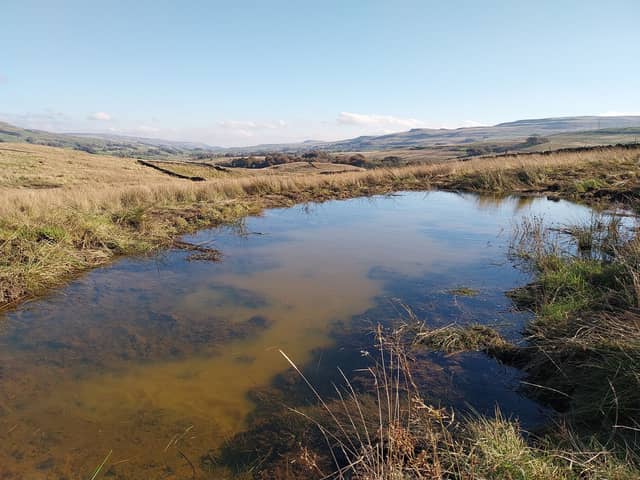

It doesn’t look like flood defence.
There are no giant barriers. No emergency sirens. No dramatic machinery. Just mud. Grass. Trees. Ditches. Wet ground, writes Graham Walker.
But when the heavens open and the River Ouse rises, those unremarkable landscapes could help decide how much water reaches York and North Yorkshire - and how fast.
In a landscape that knows too well the misery floods can bring, that makes them far more than scenery.
This is natural flood management, also known as NFM: a quieter, slower, less obvious way of trying to blunt the force of floodwater before it crashes downstream.
It is no magic fix.

But in the wrong storm, even a little extra time, or a little less water, can mean everything.
At its heart, NFM is about working with the land to slow, store and soak up water before it surges into rivers. It is now playing an increasingly important role.
NFM is not an alternative to walls, embankments, pumps or storage areas, where those are needed. It is part of the resilience toolkit.
At the centre of that work is Ousewem, a multi-million programme focused on the Swale, Ure, Nidd and upper Ouse catchment, helping fund and encourage NFM measures across North Yorkshire.
The ambition sounds simple: put the right interventions in the right places, so water can be held back for longer before it reaches vulnerable communities.
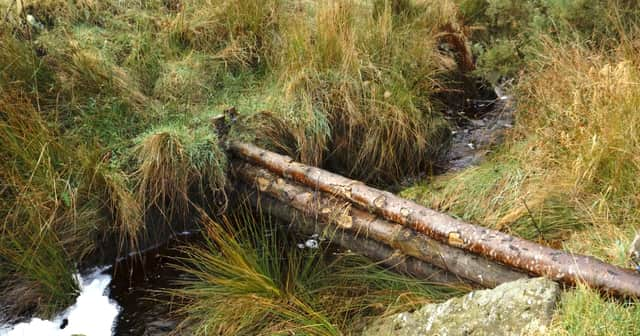
NFM is often talked about as a solution, when the truth is more measured. No single measure will stop every flood.
And in downstream communities up and down the catchment – including the city of York, which sits at the bottom of a vast river system, it can never be the whole answer on its own.
But it can help.
And in the face of climate change, that matters.
Steve Wragg, Head of Highways and Asset Management at City of York Council, has spent decades working in flood risk management and says natural flood measures are now a crucial part of the long-term picture.
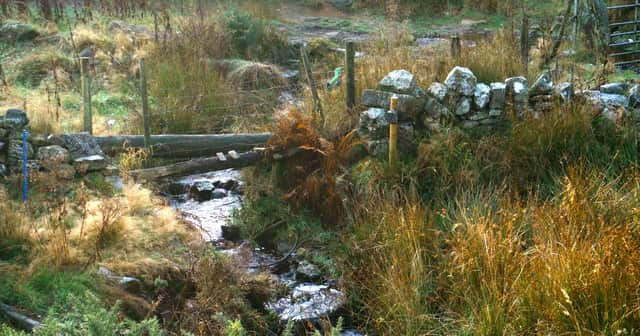
“Natural flood management is a process of reinstating, improving or increasing areas next to rivers or water courses that will soak up and delay flood waters," he explains.
"It could be the reinstatement of spoils or wetland areas next to a river. It could be an afforestation, planting of trees, or it could be things like reinstatement of moorland grips to actually increase and extend the extent of peats, which will obviously soak water up at the source when rainfall falls on the hills.”
In simple terms, it is about making the land work harder before the river has to.
And when those measures are linked across a catchment, their impact can grow.
“Combinations of all these measures can be used to provide natural interventions that will soak up and take some of the additional water to groundwater so it doesn't appear in the rivers or streams as quickly, which will reduce that flood peak downstream,” he adds.
That phrase matters: reduce the flood peak downstream.
Because when rivers rise, even a small reduction in height or speed can make a real difference for homes, roads, farmland and communities.
Steve is also clear about the limits.
York is not a small village beside a beck. It sits at the foot of a 3,500 square kilometre catchment, where floodwater can arrive in astonishing volumes.
He said: “In some small, river or stream catchments, by changing the way in which those flows get down to that village or town, natural flood interventions can provide good flood protection - but somewhere like York, which sits at the bottom of a 3,500 square kilometre river catchment, with 600 tons of water a second coming down the river in the really big floods, it works alongside large, raised flood embankments, flood walls, pumping stations, flood storage areas, etc.
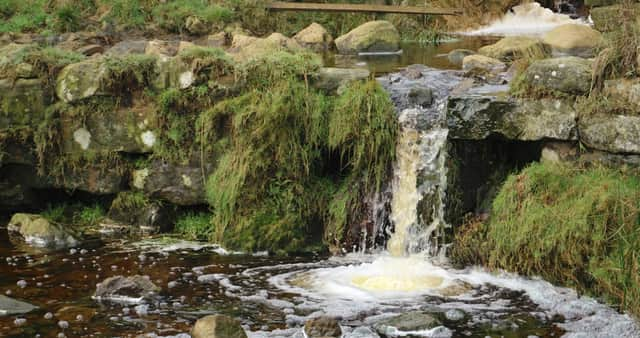
“Natural flood management can provide the climate change sponge upstream of York across the catchment area, and actually increase the longevity of the level of protection that those defences are giving us in Yorkshire - smaller towns and villages, will get direct protection from a lot of these natural flood management measures.”
There are already signs this approach can work.
“I think the Pickering example is a really good one. That's one that's been in place for quite a few years now, and that's made a really good contribution towards a reduction in flood risk management. There are places like Sinnington and a whole range of examples across the Yorkshire Dales,” he says,
The benefits go beyond flood risk - healthier soils, stronger habitats, richer biodiversity. But success depends on something less visible: partnership and trust.
That is where Ousewem comes in, bringing together landowners, councils and environmental organisations to back delivery on the ground.
Flood modeller Dr Eleanor Pearson, flood risk specialist at JBA Consulting, providing modelling evidence for Ousewem, agrees the limits matter.

She adds: “Current understanding suggests that NFM is likely to be more effective in smaller catchments… in smaller rainfall events. So smaller floods, not bigger floods.”
In short, it works best as part of a wider flood resilience system, not instead of one.
For York and surrounding communities, that could mean the difference between a near miss and a devastating flood.
BLOGS:
READ MORE: