
Policy and partnerships - how decisions shape flood resilience


As flooding becomes more frequent across the UK, attention is increasingly turning to how decisions about flood resilience are made - and whether existing systems are equipped to respond.
Across Britain, flooding is no longer seen as a once-in-a-generation disaster. It is becoming a recurring reality.
According to the latest national flood risk assessments, around eight million homes across the UK are at risk of flooding - a figure expected to rise as climate change drives more extreme weather.
Behind every flooded street lies another question, one increasingly shaping the future of flood resilience not just in North Yorkshire but beyond. This raises an increasingly important question for flood resilience planning: How can policy and partnerships evolve to respond to increasing risk?
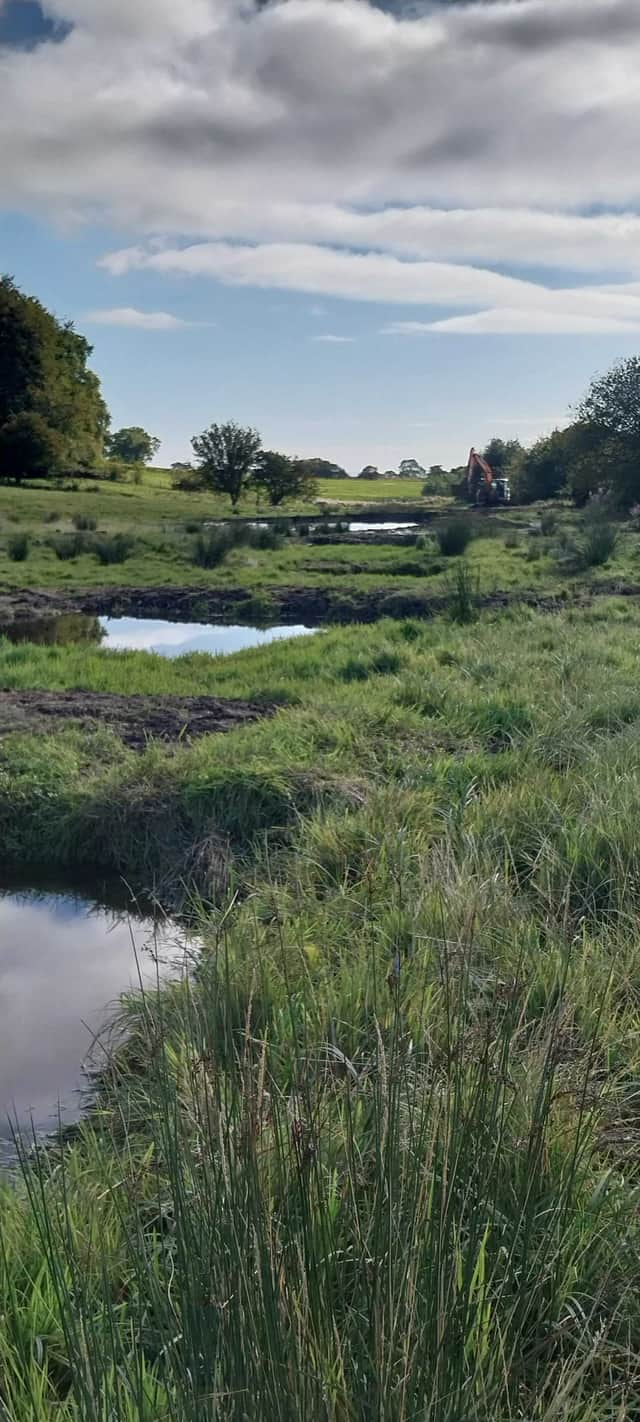
Flood resilience is not defined by a single approach. Alongside engineered defences, increasing attention is being given to nature-based solutions (NbS), including natural flood management (NFM) such as wetland creation, woodland planting and river restoration - aim to slow and store water within catchments as part of a wider system before it reaches downstream communities.
While the evidence base for these approaches is developing, the governance and partnership arrangements that support them are often complex.
Government departments. Councils. Farmers. Water companies. Scientists. Environmental charities. Landowners. Local residents.
All have a stake. All have competing priorities. But nobody controls the whole system alone.
This growing tension sits at the centre of a national conversation now unfolding across Britain’s flood-prone regions - including in Yorkshire, where projects such as Ousewem are exploring how partnership approaches can work in practice.
The publicly funded project, supported through Defra’s innovation funding, brings together councils, researchers, landowners and environmental organisations to explore the role of NFM across the River Ouse catchment.
Yet experts say schemes like these reveal a much bigger challenge beneath the surface, highlighting that flood resilience depends on coordination, governance and partnership, as well as technical approaches.
The British Ecological Society, a learned society that brings together scientific evidence, policymakers and environmental practitioners to shape national discussions and government policy around climate resilience and ecological restoration.
Its BES 2026 Symposium at the National STEM Learning Centre in York - June 29 and 30 - gets to the heart of the issue, titled Nature-based Solutions: Who benefits, who decides and who pays?
Those questions are becoming increasingly urgent as nature-based flood projects expand nationally.
Nature-based approaches, it says, can deliver multiple benefits at once - slowing flood water, storing carbon, improving biodiversity and helping landscapes cope with drought.
Yet funding systems still struggle to support projects delivering several environmental outcomes simultaneously.
The debate comes as increasing pressure is placed on Britain’s ageing flood infrastructure. Traditional engineering approaches can provide important protection at specific locations but may not address wider catchment and environmental processes on their own.
Xanthe Thompson, policy officer for the BES, believes partnerships are no longer optional.
But while collaboration sounds straightforward in theory, the reality is often far messier. Xanthe admits there are no easy answers.
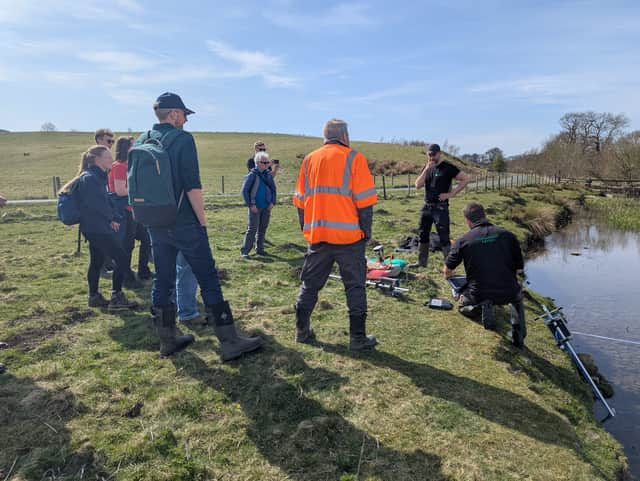
“Water affects everything, it's not just about flooding, it's also about food production. It's about homes and businesses, it's about transport networks. So, you're only going to get decisions that work across all those silos if you're working in partnerships.”
She warned older ways of working often left flood policy fragmented.
“Perhaps the way that things have been done in the past is that the transport people do transport, the water people do water, the agriculture people do agriculture and that way you can end up with disconnected policies.
“So working in partnerships helps to make sure that all these areas work together and rebuild resilience across the system.”
How difficult is it to get different organisations to agree on who pays, who benefits and who takes responsibility?
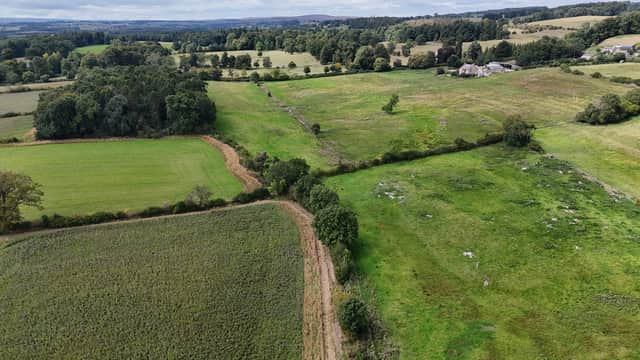
“That's a very good question. It’s a difficult problem to solve, that’s why we’re gathering experts from across these areas at our symposium in York just to explore those questions and find ways forward. Progress often depends on getting the right people into the same room,” she said.
“For the most part, people are good actors and if you get them in the room together to talk about common issues, then they might come to a common answer.
“So our job is to convene those right people.”
As part of her role leading the BES nature-based solutions workstream, focused on water, her work involves connecting organisations and translating science into policy.
This includes collaboration with organisations such as Wildlife and Countryside Link, an umbrella organisation and coalition bringing together environmental and conservation groups across England.
Beyond that are dozens of organisations - including charities, scientific societies and campaign groups - all helping to influence Government policy.
So Xanthe knows what makes good partnerships.
“From the ones that I've worked with, I would say it's relationship led,” she explained.
“The best partnerships are ones where people, maybe on opposite sides of the fence, are able to work together and everybody's willing to come to the table and compromise.”
And with flood risk continuing to rise, she believes the urgency could not be clearer.
“The national flood report from 2024 said about eight million homes are at risk of flooding in the UK, and that's only going to get worse if we keep having these extreme instances of heavy rainfall and drought,” she said.
“Natural flood management systems work by holding all the water higher up in the catchment. So that's why we're so keen on these nature-based solutions, because a healthy ecosystem is one of the best defences we have.”
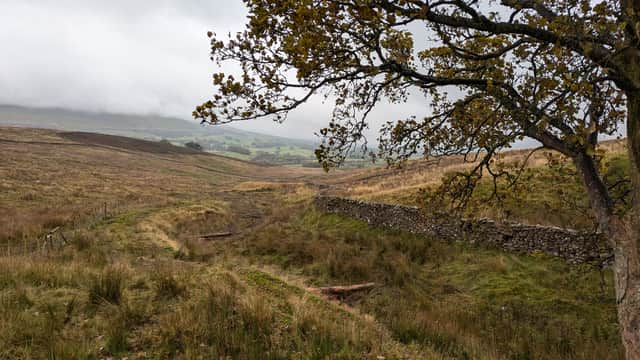
One thing is becoming increasingly certain.
Flood resilience increasingly depends on how policy, partnerships and evidence come together to support long-term decision-making in an increasingly complex risk environment.
READ MORE: