
How Ousewem's evidence could shape future resilience investment

A strategic catchment approach developed by Yorkshire's Ousewem project could help shape how future flood resilience projects are prioritised, funded and delivered, as Graham Walker found out.
When rivers burst their banks, the consequences can be devastating for communities, businesses and livelihoods.
But what if the key to tackling future flooding lies not just in building defences, but in understanding how entire river catchments work together?
That's the thinking behind Ousewem, an innovative Yorkshire flood resilience programme exploring where nature-based solutions could deliver the greatest benefits.
As the project approaches its conclusion in March 2027, its findings can help shape decisions and investment for years to come.
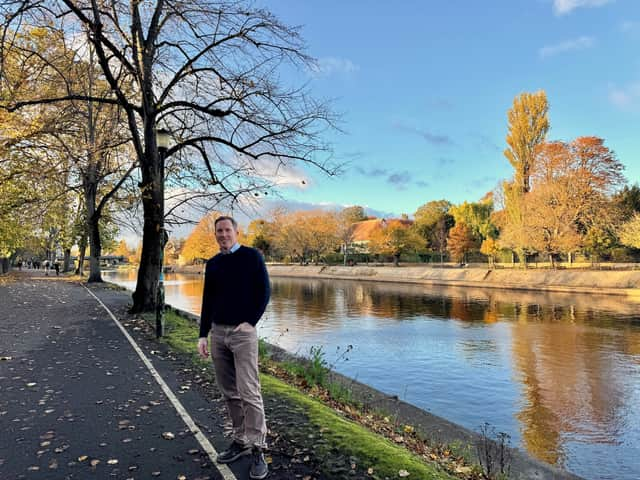
At the heart of that ambition is Ousewem's strategic catchment approach, bringing together evidence on flood risk and water quality to identify where future action could make the biggest difference.
Across the Swale, Ure, Nidd and Ouse catchments, Ousewem has explored how working with nature could slow the flow of water, reduce flood risk and improve environmental resilience.
Potential measures include woodland planting, improved soil management, hedgerows and reconnecting rivers with their natural floodplains.
But with limited funding and competing demands, deciding where to concentrate resources is crucial.
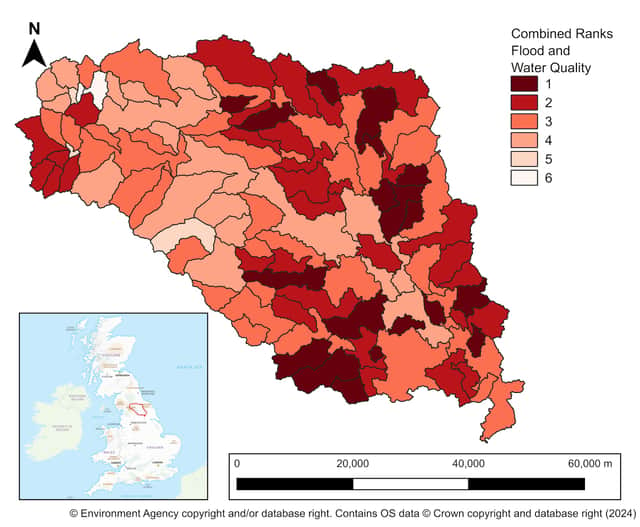
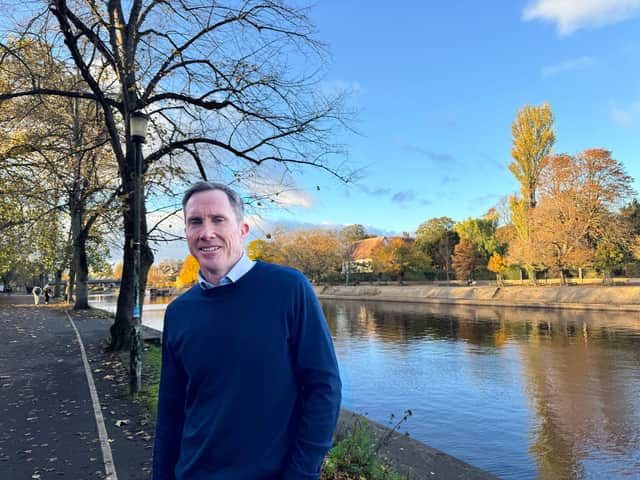
Mark Henderson, Flood Risk Manager at City of York Council, believes the answer lies in looking beyond individual projects to understand how entire river systems interact.
"The challenge is no longer collecting evidence. The challenge is using it to make better decisions," he said.
"One of the biggest lessons is that flood resilience cannot be delivered project by project. We have to think at catchment scale."
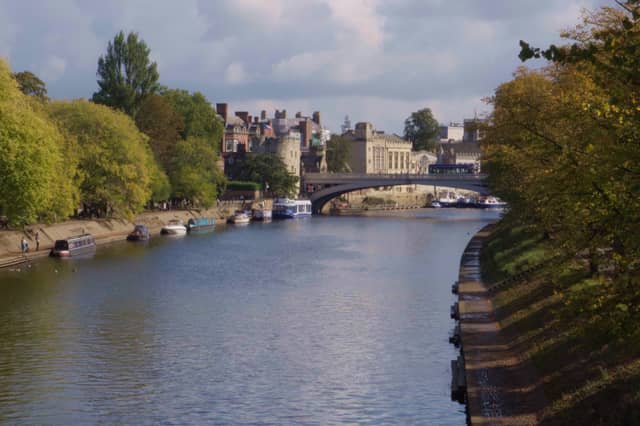
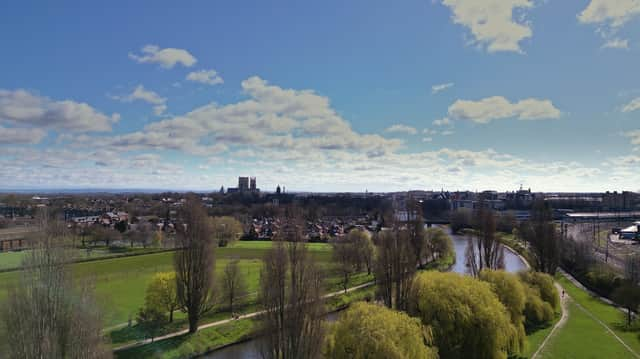
Flood risk in York, for example, can be influenced by what happens many miles upstream, meaning land management decisions can have consequences far downstream.
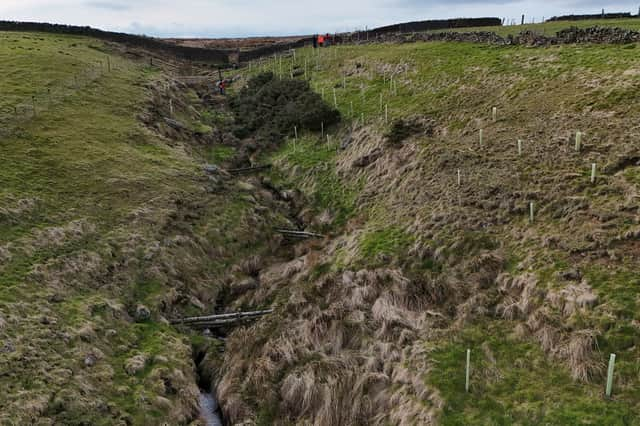
Rather than assessing opportunities in isolation, the strategy considers how different interventions could work together to deliver wider benefits.
Mark adds: "The greatest opportunities often come from understanding how multiple measures work together across an entire catchment."
The approach could identify areas where woodland creation, floodplain restoration or improved land management might benefit both flood resilience and water quality.
But identifying opportunities does not automatically mean projects will proceed. Further investigation, local assessments, landowner engagement and funding would still be needed.
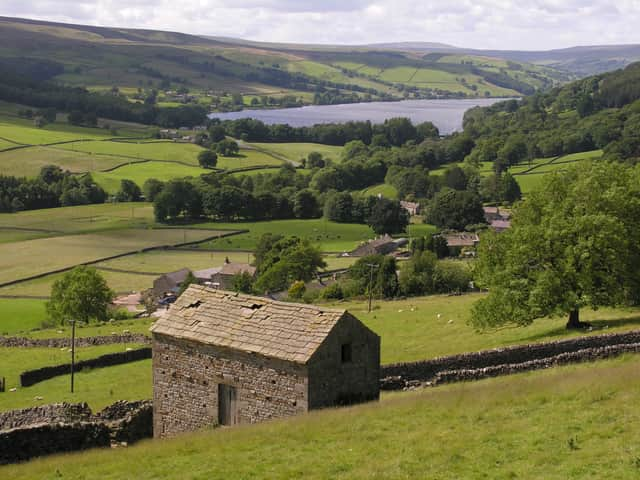
Crucially, the evidence provides a foundation for discussions between organisations, funders and potential investors about where resources could achieve the greatest impact.
Mark explains: "Good investment starts with confidence, and confidence starts with evidence.
"The strongest projects are often those that solve more than one problem at the same time."
He adds: "Success is seeing evidence influence real decisions and real projects on the ground."
Improving water quality, supporting biodiversity and strengthening environmental resilience can all form part of that wider picture.
Ousewem's evidence can help organisations identify where future investment can deliver the greatest benefits.
And the benefits extend beyond organisations traditionally responsible for managing flooding.
"Flood resilience is not just a flood sector issue. Water availability, water quality and catchment resilience increasingly influence business continuity, supply chains and investment decisions. It is a resilience issue that affects communities, businesses and the environment alike," says Mark.
Turning evidence into practical projects will require cooperation between landowners, farmers, local authorities, environmental organisations, businesses and communities.
No single organisation controls an entire river catchment, making collaboration essential.
The approach reflects a wider shift towards understanding rivers, landscapes and communities as connected systems rather than tackling problems separately.
Mark said: "Evidence is important, but evidence alone does not create change."
Funded by Defra through the Environment Agency-managed Flood and Coastal Innovation Programmes, Ousewem is scheduled to conclude in March 2027.
But its strategic catchment approach will help guide future flood resilience investment by identifying where action could deliver the greatest benefits across Yorkshire's river catchments.
For Mark, success means seeing that knowledge translated into practical projects, stronger partnerships and smarter investment long after the programme ends.
"A good legacy is not just evidence. It is evidence that continues to influence decisions."
* Organisations with an interest in water materiality and catchment resilience are encouraged to contact the Ousewem team via www.ousewem.co.uk to learn more.
Watch Ousewem film series: From catchment modelling to land management and community resilience, check out these films which bring Ousewem’s work to life across the landscapes of York and North Yorkshire - click here.
Further reading
BLOGS:
READ MORE: