
What makes a flood resilience project investable?
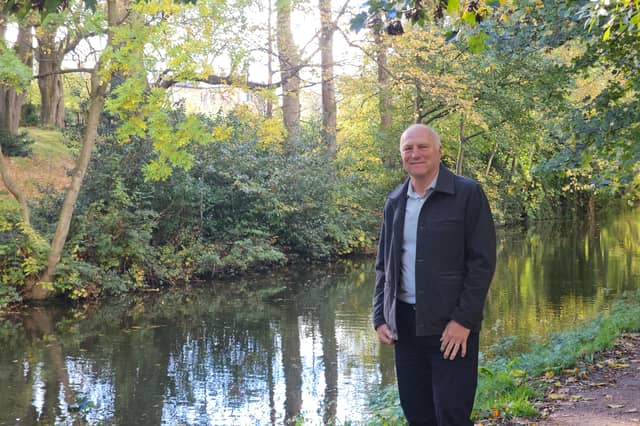

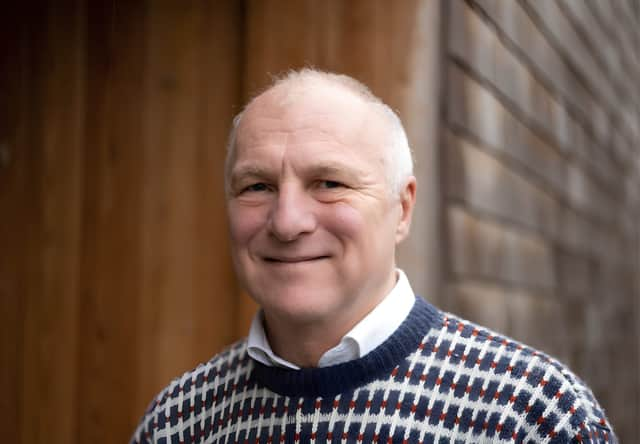
Steve Maslen, Director at JBA Consulting, writes for The Yorkshire Post about how evidence, partnerships and lessons from Yorkshire’s Ousewem programme could help build confidence and encourage long-term investment in flood and climate resilience.
Ideas are easy. Investment is hard.
Across the UK there is growing interest in nature-based solutions, catchment resilience and how organisations respond to increasing flood, drought and other environmental risks.
The question I am increasingly asked is not whether these approaches are valuable, but what makes them investable.
Investors, funders and businesses need confidence. They need to understand risk, governance, delivery capability and outcomes. They need evidence that projects are located where they can deliver the greatest value and supported by the right partnerships.
In short, they need assurance.
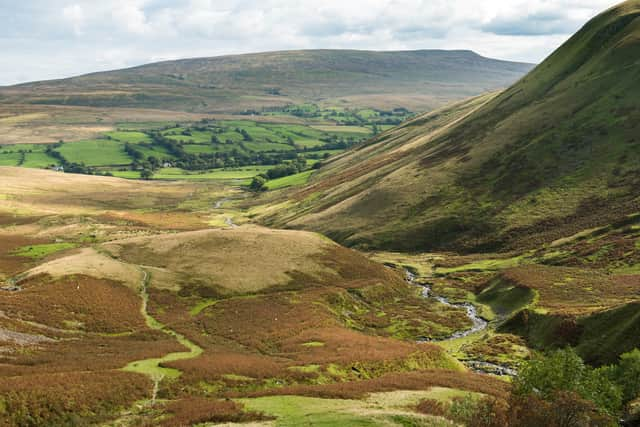
Nature-based projects often create multiple benefits. A single intervention can contribute to flood resilience, water quality improvements, biodiversity gains and climate adaptation at the same time. Investors are increasingly interested in projects that can address multiple challenges at once, including flood resilience, water quality, drought resilience and biodiversity.
This is one of their greatest strengths.
It is also one of their biggest challenges.
Different organisations value different outcomes. In some places a water company may focus on water quality and water resources, while a local authority may focus on flood risk and community resilience. Businesses may be concerned with supply chain security, while land managers focus on farm profitability and habitat improvements.
Creating investment opportunity therefore involves more than identifying a good project. It requires aligning interests.
This is where catchment-scale thinking becomes important.
One of the lessons emerging from Ousewem is that evidence, delivery experience and trusted partnerships are all needed before confidence can turn into investment.
When viewed individually, many projects can appear relatively small and isolated. However viewed as part of a wider catchment approach, they can form a meaningful longer term resilience proposition.
A challenge is building enough confidence in organisations to invest in this type of longer term catchment climate resilience.
Confidence comes from evidence, and for this type of resilience that evidence is built through good modelling, monitoring and data.
It comes from trusted delivery partners and experienced land managers. It comes from understanding where interventions are most appropriate and where they are not.
Most importantly, it comes from recognising that resilience is a long-term proposition.
Flood resilience is not something that can be delivered overnight. It requires planning, stewardship, maintenance and adaptation over time.
Investing in resilience still means funding individual interventions. However, achieving the greatest value often requires a strategic approach that connects projects across a wider catchment. That broader perspective helps provide the confidence and assurance investors are looking for.
This requires collaboration between multiple organisations including public and private organisations, the land managers, local communities and the potential investors.
The encouraging thing is that many of those conversations are already beginning and the approach has been tested through Ousewem.
Watch Ousewem film series: From catchment modelling to land management and community resilience, check out these films which bring Ousewem’s work to life across the landscapes of York and North Yorkshire - click here.
Further reading
BLOGS:
READ MORE: